Download Mendeley
A human cell-free translation screen identifies the NT-2 mycotoxin as a ribosomal inhibitor that binds the peptidyl transferase center.
Schwaller, N., Andenmatten, D., Luginbuhl, J., Rabl, J., Baur, H., Chambon, M., Vesin, J., Turcatti, G., Karousis, E.D.(2026) Commun Biol 9
- PubMed: 42778572 Search on PubMedSearch on PubMed Central
- DOI: https://doi.org/10.1038/s42003-026-10743-6
- Primary Citation Related Structures:
29IW, 29IX, 29IY, 29IZ - PubMed Abstract:
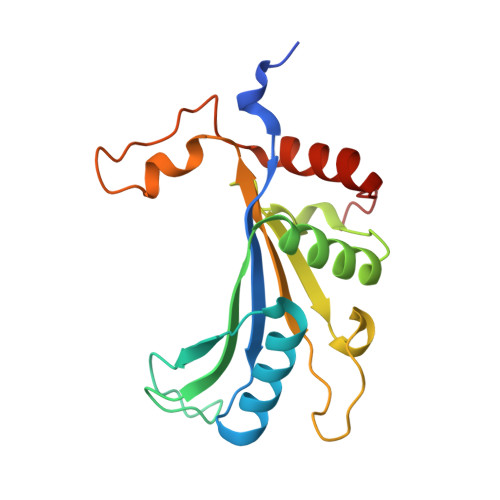
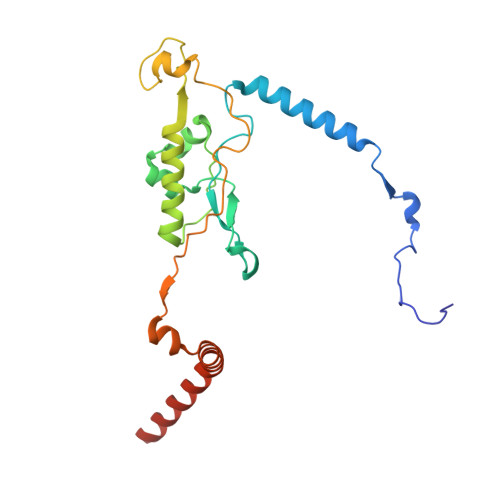
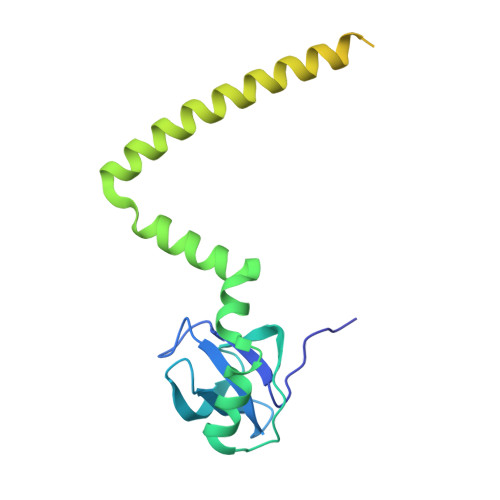
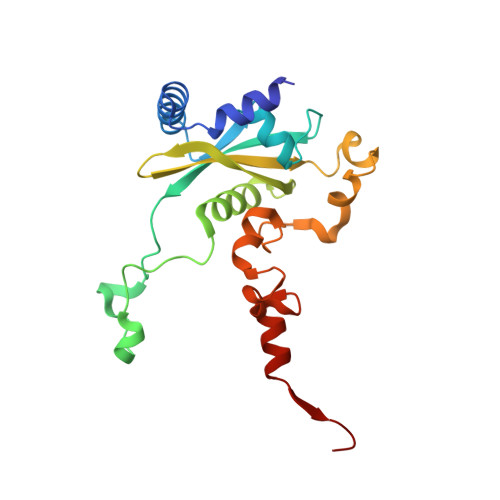
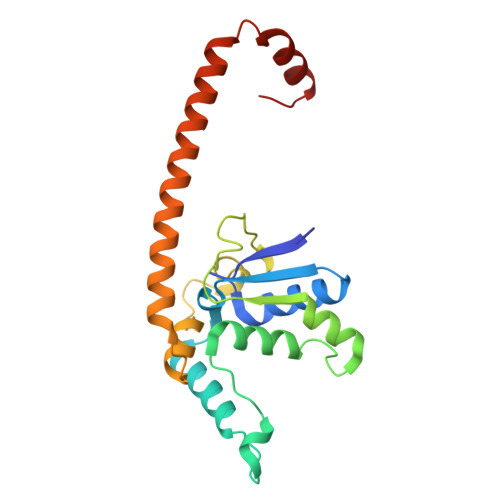
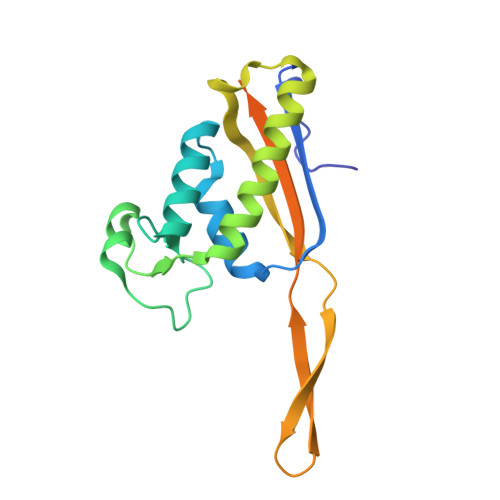
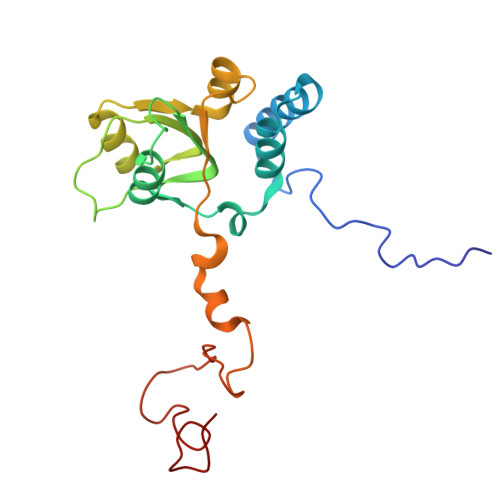
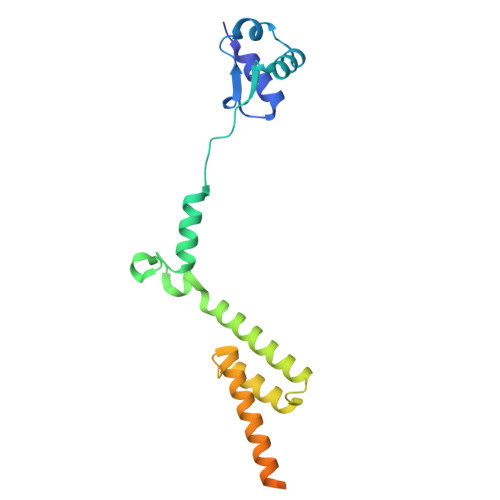
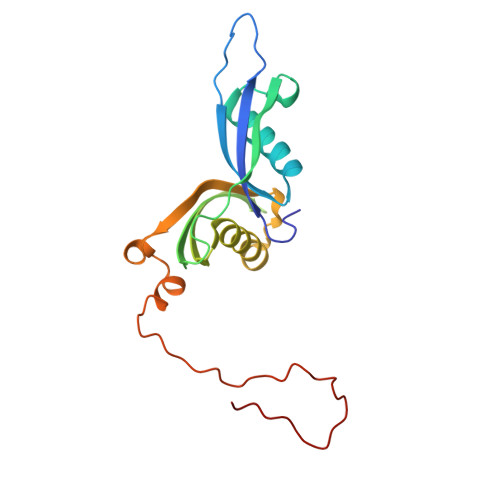
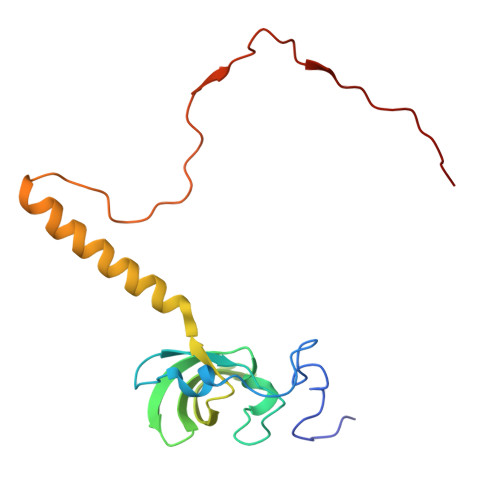
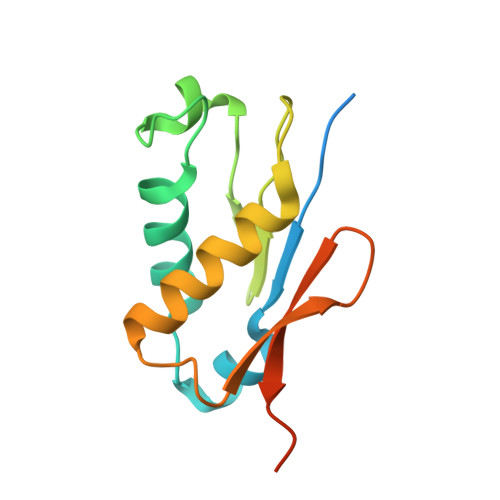
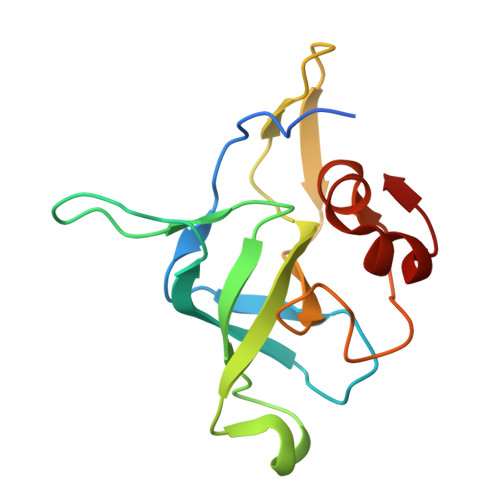
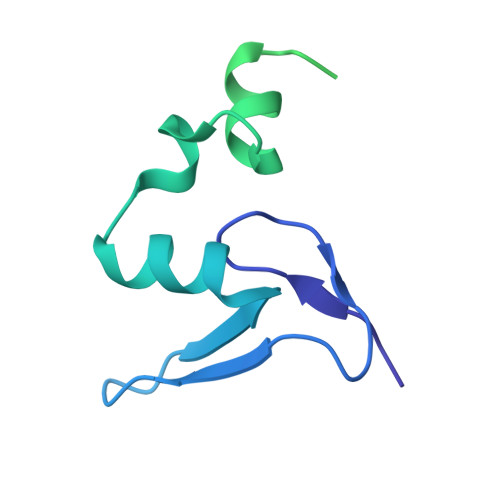
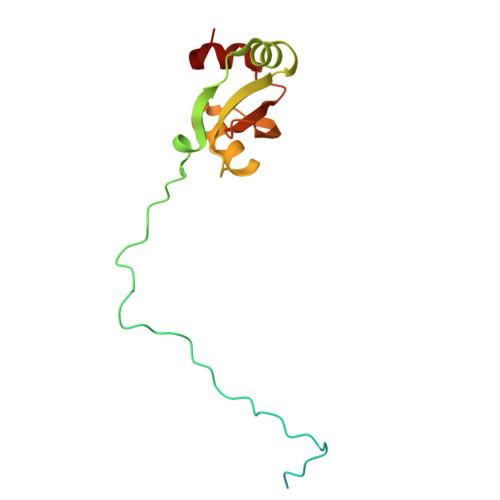
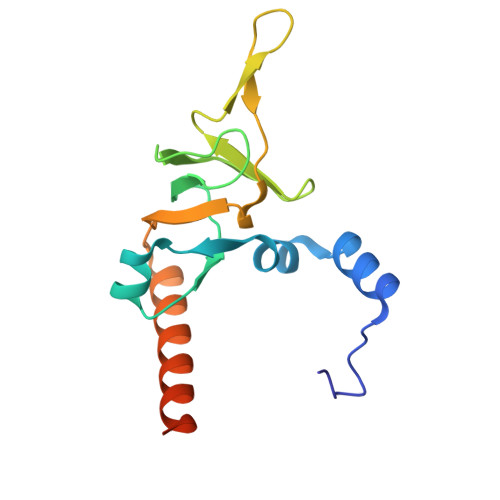
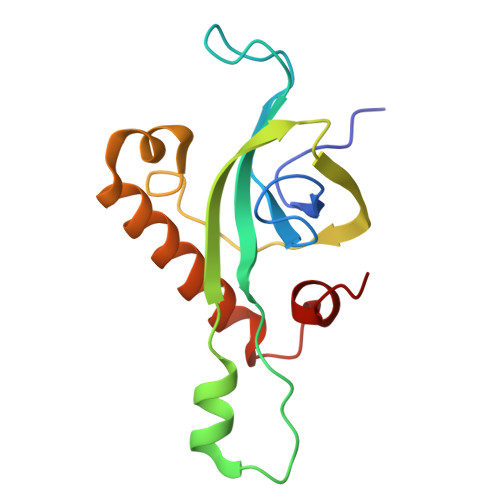
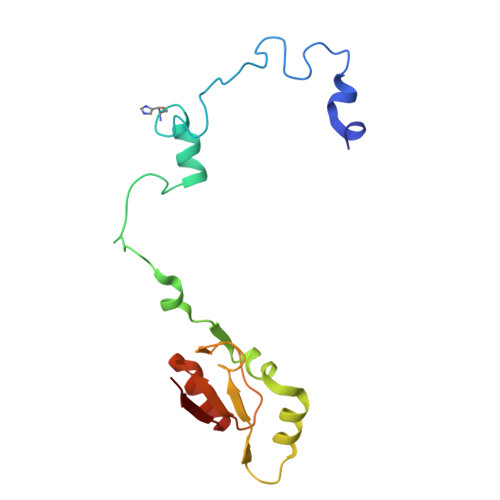
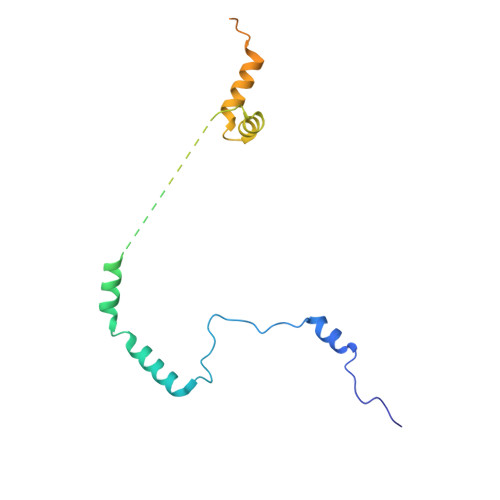
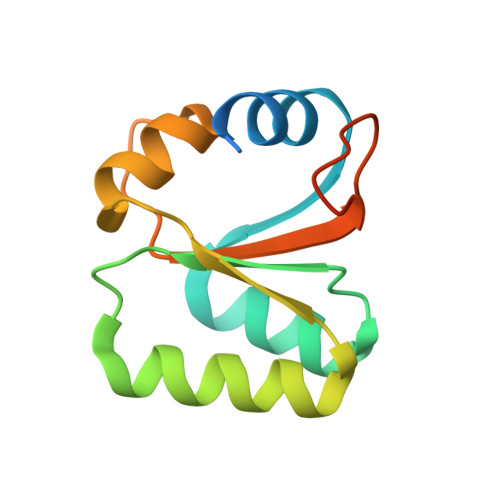
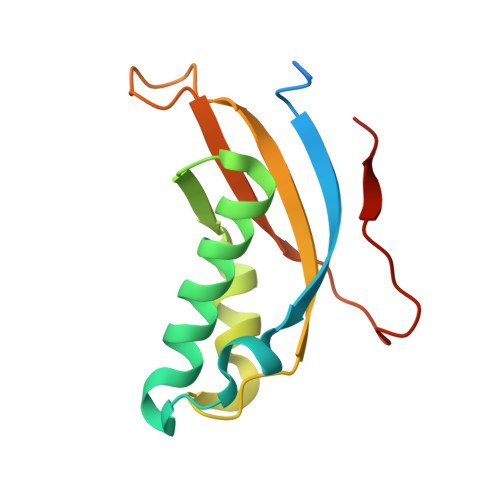
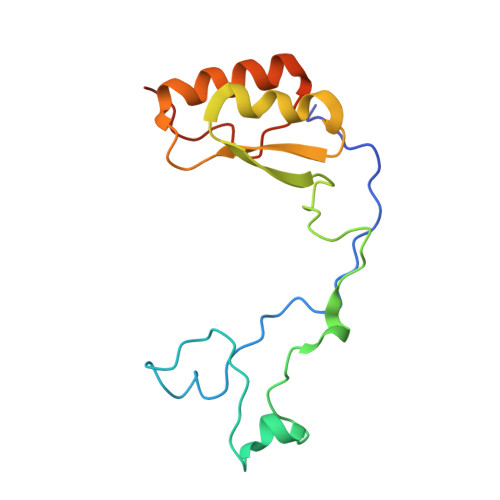
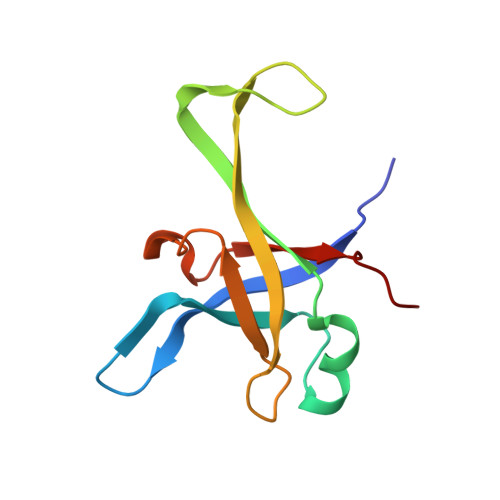
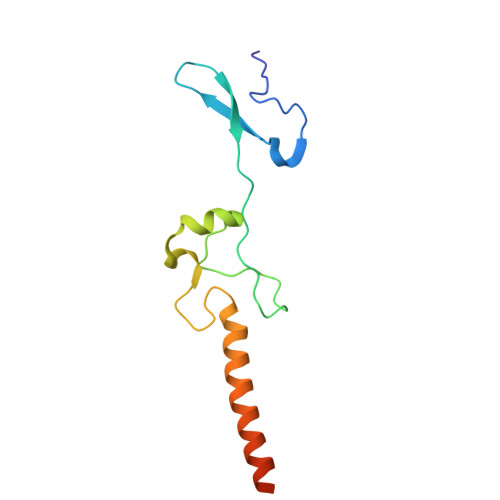
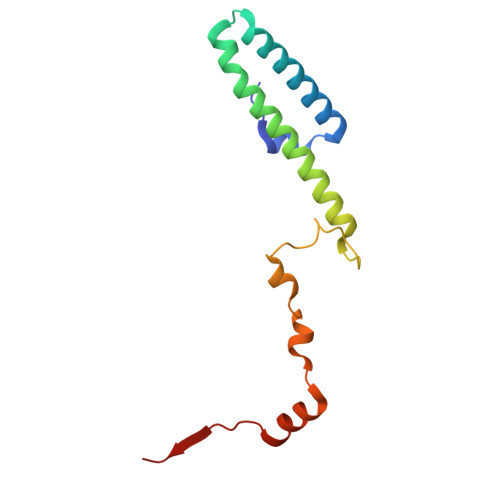
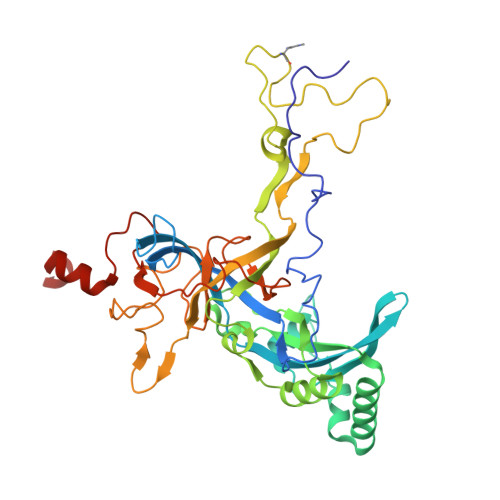
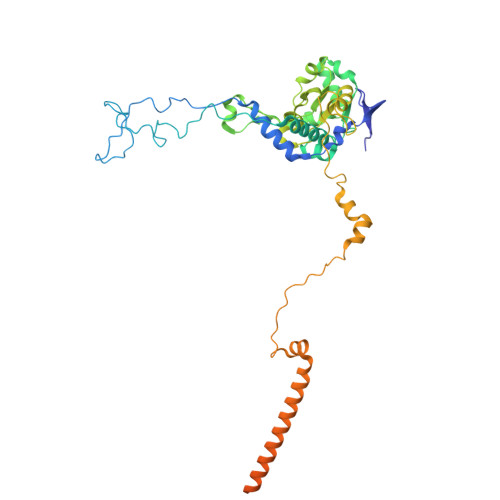
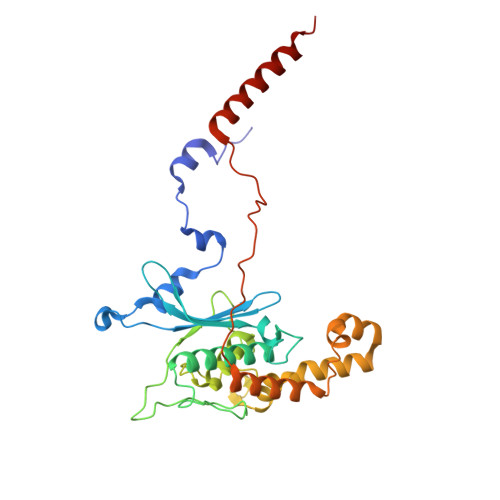
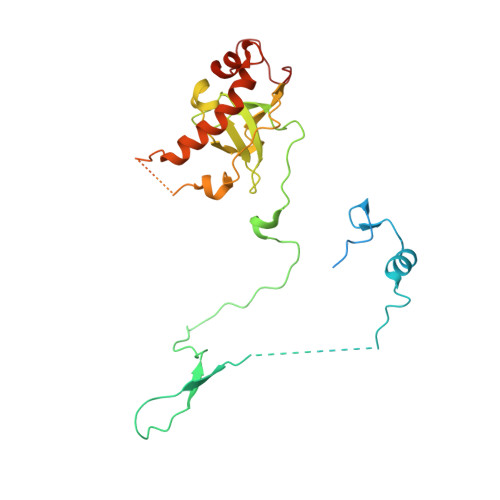
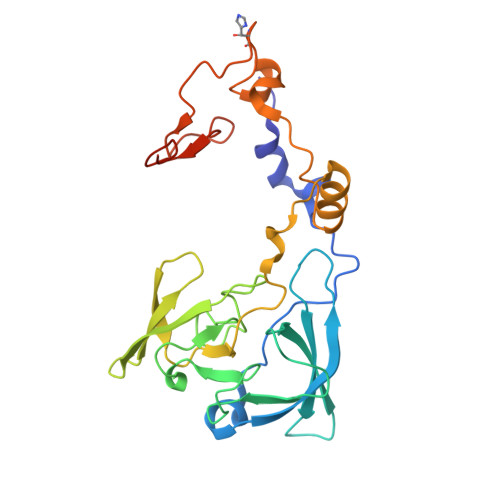
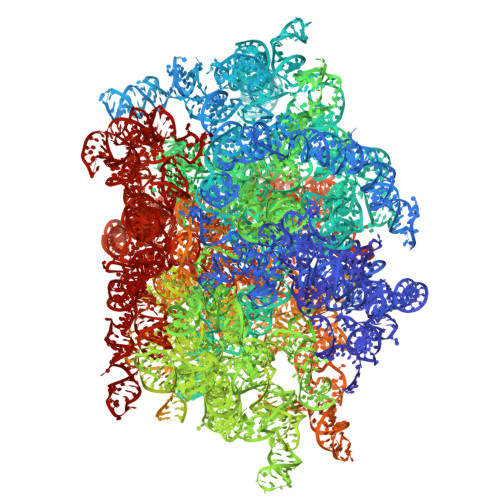
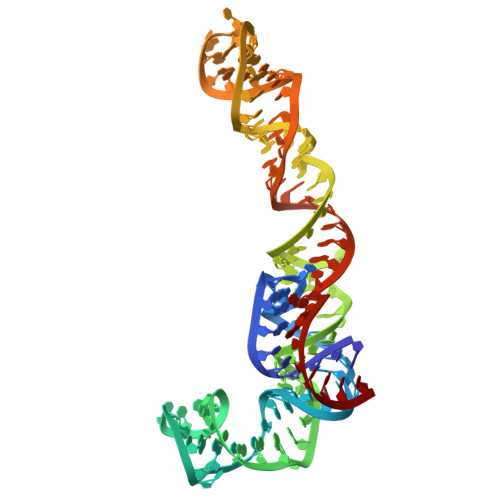
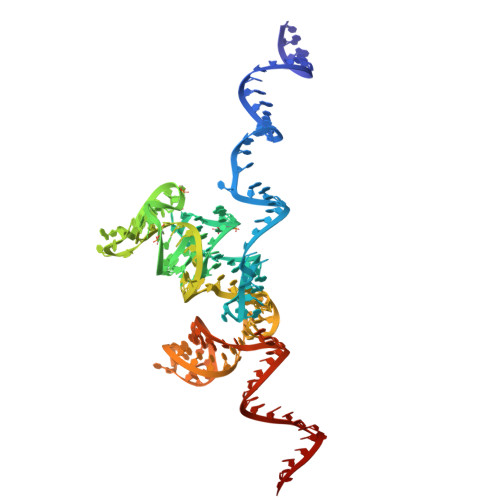
Translation inhibitors are invaluable for probing ribosome function and therapeutic applications, but systematic discovery in human systems is limited by the lack of scalable, screening-compatible cell-free platforms. Here, we establish a robust high-throughput screening using human lysates that bypasses cellular cytotoxic effects. After screening ~28,000 small molecules, we identified known and a novel translation inhibitor, including NT-2, a trichothecene mycotoxin produced by the pathogenic Fusarium sporotrichioides. NT-2 suppressed protein synthesis in human cells and yeast lysates, while sparing translation in bacteria and intact yeast cells. Cryo-EM at 1.76 Å revealed NT-2 bound at the peptidyl transferase center of the human 60S ribosome. In addition, cryoEM classification of NT-2 treated cells shows ribosomes in an inactive eEF2/SERBP1-bound dormant state. Together, these results expose NT-2 as a previously unrecognized environmental inhibitor of mammalian protein synthesis and demonstrate the power of cell-free translation screening to reveal new inhibitors with unexpected ribosome fates.
- Department of Chemistry, Biochemistry and Pharmaceutical Sciences, University of Bern, Bern, Switzerland.
Organizational Affiliation: